Is Bicolor Butterfly Bush Self-Pollinating?
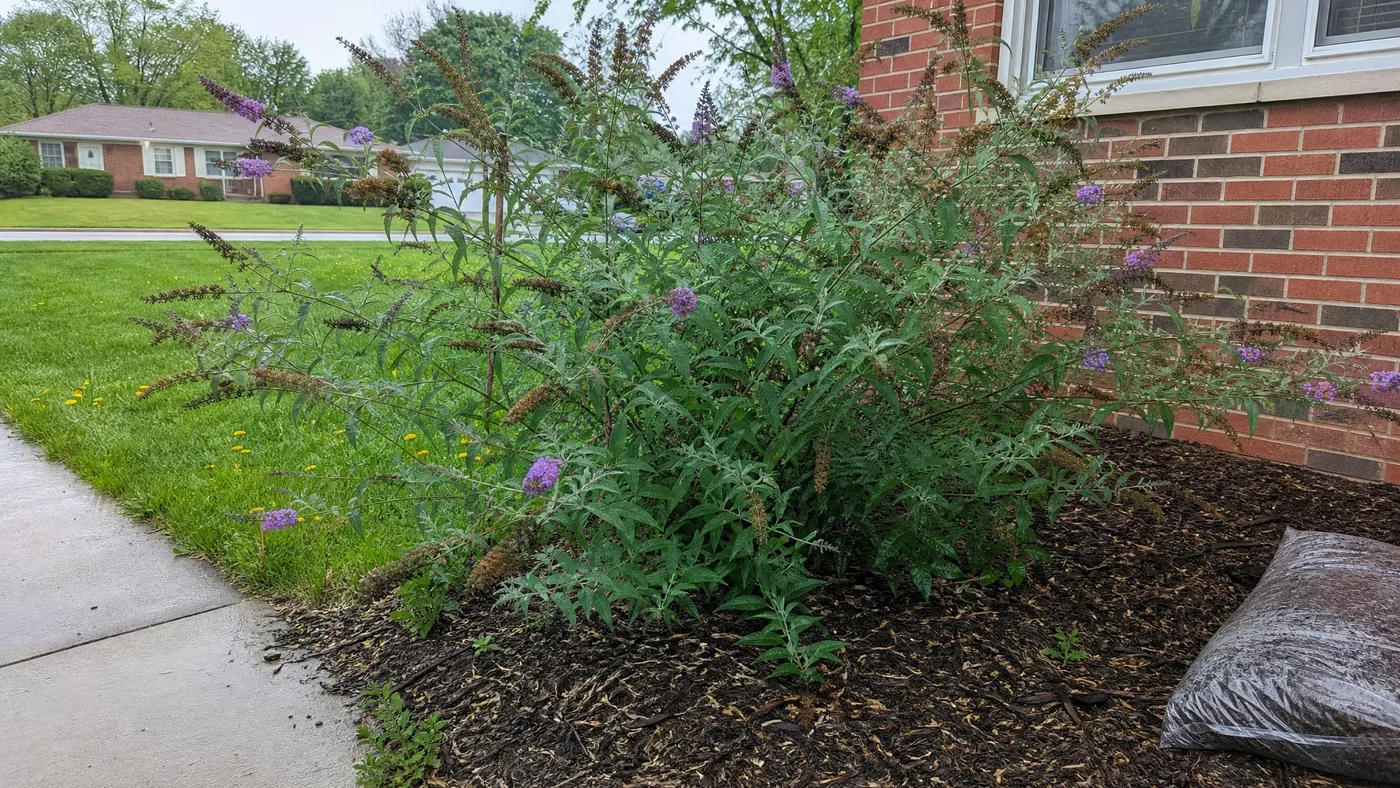
Picture one Bicolor standing alone in a sunlit corner of a yard, arching over bare mulch, with nothing beside it. The designer's question is whether it needs company from another plant to look its best. In our rows this season, the plants that drew the eye were the ones given room, not the ones paired up.
The question matters because it decides what you buy and how you plan the bed. Buy a second plant for the wrong reason and you spend money and space on a bloom benefit that never arrives. Ignore seed and you may find seedlings in the gravel.
Read on for how one plant blooms, what a neighbor changes, why hybrid seed is unpredictable, how to deadhead, and where to place the shrub for the best light.
One Bicolor Butterfly Bush Can Bloom Alone
A single plant produces the full show without a partner. This section covers how to plant for that and why a pair adds nothing to the display.
Plant One and Give It Room
Start with a single plant and give it the space you would give any specimen. Flowers on butterfly bush are borne on new growth, so the show comes from the shoots the plant makes this year, not from a mate. The species is winter hardy in USDA zones 5 through 9 and blooms from June to September. Our Bicolor blooms guide covers how your plant's own timing compares.
Set the plant where it has air on every side. A lone shrub reads better with open ground around it, and the arching stems can lean out without tangling into a neighbor.
Read the Corner Before You Dig
Before you plant, walk the corner at different hours. Note where the sun lands, what stands behind the spot and how much ground the shrub will claim once it fills out. A single plant carries the whole composition, so the setting does a lot of the work.
The plant adapts well to most soil types, which means you can put your attention on light and space rather than on soil recipes. Our guide to Bicolor blooms, color and season shows what a well-grown plant does across the summer.
Skip the Second Plant for Bloom
Here is the common advice we push back on: that you need two shrubs to get flowers. You do not. Bloom depends on sun, a good pruning cut in early spring and enough root room, all of which one plant can have.
If you want more flowers, build the display with light and pruning rather than headcount. Plant it, water it through its first season, and leave the matchmaking to the insects.
Flowers Open Whether or Not Pollinated
Bloom is independent of pollination, so flowers never wait on a mate. This section explains what is happening inside the spike and what to watch for.
Opening Is Driven by the Plant
The plant opens its buds on its own schedule, set by day length, warmth and the vigor of the new shoot. Pollination comes after the flower is already open and already doing its work of offering nectar.
That is why a lone shrub looks no different on the first morning of bloom than one in a row of fifty. The color is in the petals and the arrangement of the spike, and both are finished before any pollen moves.
Watch a Spike Through the Season
Pick one spike and follow it for a couple of weeks. You will see buds, open flowers and fading ones sharing the same stem, and none of that sequence depends on a visitor arriving. The plant keeps producing new spikes on fresh growth while older ones finish.
This is the pattern to expect from a healthy lone plant. If bloom looks thin, look to sun, water and pruning before you suspect a missing partner.
What Visitors Do and Do Not Change
Butterflies, hummingbirds and other pollinators are attracted to the rich nectar. Those visitors carry pollen between the flowers on your plant and any others nearby, and they do it without anything being asked of you.
Their visits can lead to seed later in the season. They do not make the flowers open, deepen the two-tone color or extend the bloom window. For the wildlife side of the story, our guide on butterflies, bees and birds on Bicolor covers who shows up and when.
Think of the garden visitors as an audience. The performance goes ahead either way.
A Second Plant Adds Seed, Not Color
A neighbor can affect seed set, but the visible color stays the same. This section sorts out what changes with a second plant and what does not.
What Actually Changes
The table below compares the things people expect a second plant to improve against what actually happens.
| What you hope for | With one plant | With a second plant nearby |
|---|---|---|
| Flowers opening | Full bloom on new growth | No change |
| Two-tone color | Set by the cultivar | No change on your plant |
| Length of season | Set by sun, pruning and weather | No change |
| Seed capsules | Possible, with insect visits | More chances for cross-pollination |
The only row that moves is seed, and for most yards that is not a benefit. The species seed is dust-like and dispersed by the wind, with as many as 40,000 seeds on a single panicle. Bicolor is a hybrid rather than the straight species, so treat that figure as a sense of scale, not a count for your plant.
When a Pair Makes Sense
Even so, there are good reasons to plant two. A pair flanking a path or a gate gives a garden rhythm, and a drift of three or more can fill a long border. Buy them for the picture and not for pollination.
The color you see on your Bicolor comes from the plant's own tissue. A neighbor with a different color does not repaint it, so choose companions for how they look beside the two-tone spikes.
What a second shrub does add is a larger seed bank in your yard. If seed is a concern, one plant that you deadhead well beats two that you ignore.
Hybrid Parentage Makes Seed Unpredictable
Complex hybrid parentage means any seedlings vary and rarely match the parent. This section explains where Bicolor comes from and what to expect if seed does form.
A Cross Between Two Species
Bicolor belongs with the Buddleja davidii x globosa hybrids, a group also known as Buddleja x weyeriana and produced by an artificial cross between B. davidii and B. globosa. The cultivars in this group "are fertile and produce many seeds."
So do not assume a hybrid is a dead end. Bicolor can set seed, and the chance rises when insects are working the flowers. We would not promise you a seedless plant.
Seedlings Rarely Look Like the Parent
A seed from a hybrid shuffles the traits of both grandparents. What comes up in the crack of a patio may lean toward the davidii side, the globosa side or something between, in size, habit and flower color.
Seedlings from a hybrid rarely reproduce the two-tone effect you bought. If you want more of the same plant, take cuttings instead. Our walkthrough on propagating Bicolor from cuttings gives you a true copy of the parent.
Why Wind-Blown Seed Travels
The species seed is dust-like and wind-dispersed, and it has a high germination rate. Dust-fine seed does not stay in your bed. It can land in a gravel drive, a wall crack or a neighbor's yard.
It is also more desirable to choose a sterile cultivar if you want to plant a butterfly bush and avoid spread, a point worth knowing if seedlings concern you. Check with your local extension service about rules in your area.
Deadheaded Bicolor Butterfly Bush Spends Less on Seed
Removing spent spikes redirects energy and prevents unwanted seedlings. These steps keep the plant looking fresh and the seed in check.
How to Deadhead
Follow these steps through the bloom season.
- Watch each spike as its flowers fade and the color turns to brown.
- Cut the faded spike back to the first healthy pair of leaves or a side shoot below it.
- Collect the cuttings and drop them in the trash or compost pile where seed cannot scatter.
- Repeat every week or two while the plant is blooming.
A plant that is not busy ripening capsules puts effort into new shoots, and those shoots carry the next round of flowers. The side shoots you leave behind are where the next flush comes from.
Deal With Seedlings Already Up
If you find young plants under or near the shrub, pull them while they are small. A seedling lifts easily from moist soil, and you can be sure it will not match the plant you chose.
Check the ground again in the weeks after bloom, especially in mulch, paving cracks and the edges of the bed. Catching them early takes seconds. Letting them grow into a woody shrub takes a shovel.
Fall Cleanup and Spring Pruning
Late in the season, remove the last spent spikes before the capsules open and dry. Then do the structural cut in early spring, when flowers are borne on new growth. Our guide on when and how to prune Bicolor covers timing and how hard to cut.
One of the most common questions we get is whether deadheading is optional. For bloom it mostly is. For seedlings it is the single most useful habit you have.
Place Bicolor Butterfly Bush Where Light Backlights It
Siting for low-angle light shows off the two-tone blooms, whatever the pollination. This section shows how to choose the spot.
Give It Full Sun First
Start with exposure. The plant wants full sun, meaning six or more hours of direct sunlight a day for the species. Shade thins the bloom no matter how many plants stand nearby. Our sun requirements guide for Bicolor goes further into exposure.
Let Low Light Pass Through the Blooms
Now think about the angle of the light. Stand where you will most often see the shrub, whether a window, a patio or a path, and ask where the sun sits at the start and end of the day. Plant so that low light arrives from behind the blooms.
Backlit, the spikes glow, and the contrast of a two-tone flower is easier to read than in flat noon light. A dark fence, a deep green hedge or a shaded wall behind the plant makes the effect stronger.
Choose Companions for Texture
If you add neighbors, pick them for contrast with the loose, arching shape of the shrub. Fine-bladed grasses in front catch the same low light and soften the base, while broad, dark foliage behind gives the blooms a stage.
Keep companions short enough that they do not hide the lower stems. Leave space for the shrub to grow, too. The species can reach 6 to 12 feet tall and spread 4 to 15 feet wide, so check the mature size of what you buy and set it back from paths accordingly.
A Lone Bicolor Butterfly Bush Is Enough
One plant is all you need. It opens its flowers without a mate, shows its color on its own and responds to sun and a clean cut far more than to company. A second plant changes only the seed, and a hybrid's seed will not give you more of what you bought.
Bicolor Butterfly Bush
Nursery-grown Bicolor Butterfly Bush in sizes from Quart, shipped to your door.
From $25.33
Shop Now →So buy one, site it for light, deadhead through summer and prune in spring. Picture it in late afternoon, one lone shrub glowing in low gold light with its two-tone spikes lit from behind, needing nothing beside it. We are growers with our own farms, raising top-quality shrubs for yards like yours, and every Bicolor we ship leaves in its pot with the stems protected for the journey, so what reaches your door is ready for that sunlit corner.